
Recovery can take many forms, and for some, that journey includes the stability and support offered through recovery housing.
The Alcohol, Drug and Mental Health Board of Franklin County (ADAMH) invests in recovery housing programs across its provider network. Recovery housing creates safe, supportive environments where people can focus on rebuilding their lives, regaining independence and fostering hope for the future.
Finding Strength in Vulnerability
ADAMH supports men’s recovery housing through its network provider Community for New Direction (CND). ADAMH funds the day-to-day operations of the recovery house, including staffing, utilities and food.
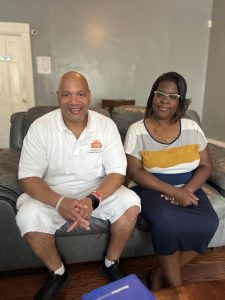
Since the program’s launch in 2018, peer supporter Steve Sweatte has walked alongside residents, offering guidance and encouragement throughout their journey.
“In the years I’ve worked here and being in recovery myself, I’ve learned the best thing I can be is a consistent presence for these guys,” Steve said. “I laugh and joke with them, and I try to make the atmosphere calm and joyful because you never know what someone’s dealing with.”
The home creates a safe space where men can be open about their struggles, share experiences and support one another along their recovery journeys.
“For men, it can be hard to even ask for simple things, but I think we’ve created an environment at CND’s recovery home where the guys are able to build their self-confidence and open up more,” said Cassandra McKay, a peer supporter at the home. “We’re like a family, and I think residents feel that early on.”
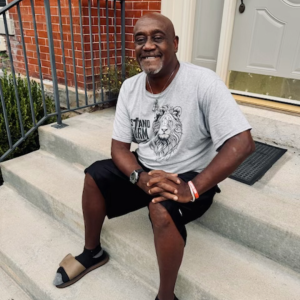
When Gregory moved into CND’s recovery house seven months ago, he immediately noticed the sense of care and community among both staff and fellow residents.
“Being here so far has been great,” Gregory said. “The staff is excellent, and I get to meet all different people and learn how to stay with my sobriety.”
During his time in CND’s program, Gregory said he’s grown more persistent. His biggest goals have been to secure stable housing and employment.
“Before coming to CND, I’d never had assistance with housing before, so it’s been a difficult process,” he said. “But I keep at it and keep moving forward because sooner or later somebody is going to open a door for me.”
Recovery Shaped by One Another’s Journeys
For women in recovery, the experience is often shaped by challenges such as parenting responsibilities, trauma histories or rebuilding family connections. That’s why ADAMH also invests in women’s recovery housing like the Changing Habits, Attitudes and Thoughts (CHAT) program at Alvis, where residents are supported in not only maintaining sobriety but also in navigating these additional layers of recovery.
“These women come into this environment with their own history, stories and goals, but they also have a commonality of recovery and healing, so no matter what their journey looked like, they’re able to see how they can help one another and come together as women,” said Makesha West, Division Director of Behavioral Health at Alvis.
The CHAT program started as a pilot program funded by ADAMH in 2013. Today, ADAMH continues to support CHAT through funding maintenance of the recovery house, food, wellness activities and transportation for the residents.
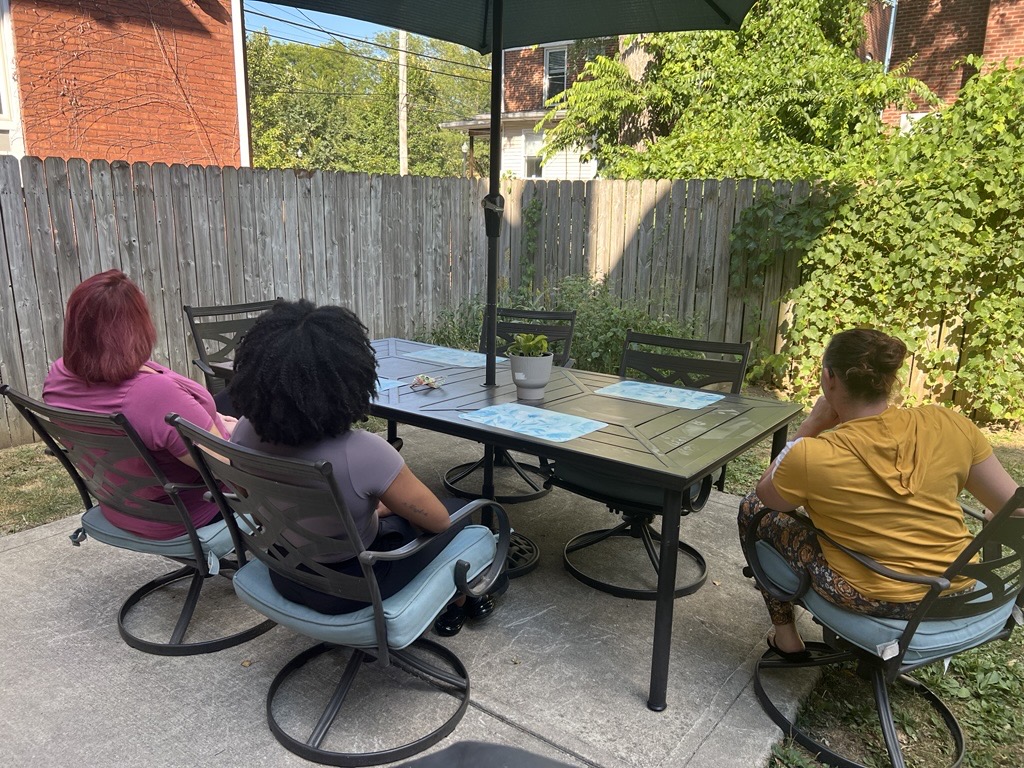
The CHAT house is a side-by-side duplex that houses five women on one side and five on the other. Among them are Crystal and Charity, roommates and recent residents of the home.
Crystal first stayed at the CHAT house in 2021 before transitioning to another sober living home. After nearly facing homelessness earlier this year, she reconnected with Alvis and returned to CHAT to maintain her recovery while working toward stable housing and financial security.
Charity joined the program in August after a long struggle with alcohol use. Her focus now is on building her sobriety so she can confidently raise her seven-month-old son.
Communal living can bring challenges — like navigating different personalities, routines and habits — but for Crystal and Charity, sharing the home with women who understand their struggles has also been a powerful source of support in their recovery.
“You might think you have all the tools you need to be successful in your recovery, but then something happens, and maybe you’ll learn how to handle things differently from people who have gone through similar situations,” Crystal said. “So, it’s nice to be able to vent, listen and learn from these women. It’s something I’ll remember forever.”
For Charity, her experience in co-ed programs lacked the empathy she’s found among fellow CHAT clients.
“In my 10-day detox program, we had to process things with men in the room, so it was hard to go through not being with my son and talking about it without feeling like I was constantly burdening everyone with my sob story,” Charity said. “Whereas here, I can talk about my son, and no one gets tired of it. They just uplift me.”
A Second Chance
Rachel, a program graduate, said that gaining an appreciation for the unique journeys of other women is a perspective she still carries with her today.
“Out there in my addiction, I didn’t share with anybody, but this program has taught me that I can be close with a woman without having to use something from her or take advantage of her,” Rachel said. “Now, instead of beating up on another woman, I appreciate her resiliency and strength.”
Rachel graduated from Amethyst, a recovery program within Alvis, in 2019. After four years of sobriety, she experienced a relapse while also navigating the loss of custody of her children and a domestic violence relationship. Over the past two years, she moved in and out of treatment centers before being referred to the CHAT program in 2024.
Rachel said the CHAT program — and the women she lived alongside — helped her rediscover a sense of self. Through their support, she learned how to care for herself again. Today, Rachel has regained custody of two of her daughters and is close to reunifying with her third. She credits Alvis and her time in the CHAT house for helping her build the foundation for the recovery journey she’s on today.
“For four months, I lived in the safety of the women in this house and learned how to love myself again, so I’m grateful for CHAT, because it saved my life,” Rachel said.