

Psychosis often emerges during adolescence or young adulthood, a critical window when early support can make a meaningful difference in long-term mental health outcomes.
Psychosis refers to a collection of symptoms that can include experience such as hearing or seeing things that are not present, having false beliefs or worries about the world and reductions in the intensity or display of emotions.
Recognizing the importance of identifying and addressing symptoms early, the Alcohol, Drug and Mental Health Board of Franklin County (ADAMH) partnered with The Ohio State University Wexner Medical Center to create the Clinical High Risk for Psychosis (CHR-P) program, supported by a grant from the Substance Abuse and Mental Health Services Administration (SAMHSA).
Rather than wait for someone to develop psychosis before providing care, the CHR-P program seeks to identify individuals at risk for developing a psychotic disorder and provide care designed to prevent psychosis from ever occurring.
The program is not only improving outcomes locally but also advancing national understanding of early psychosis care and sharing insights that are helping redefine how this population is treated across the field.
Launched in 2018, the CHR-P program operates within OSU’s EPICENTER, one of the largest psychosis programs in the United States and the largest in Ohio. The program treats individuals ages 12-25 showing early warning signs of a potential psychotic disorder.
Most people who meet criteria for CHR-P and engage in treatment won’t go on to develop a psychotic disorder. The program was initially funded for four years, and in 2022, successfully secured additional support through a new SAMHSA grant.
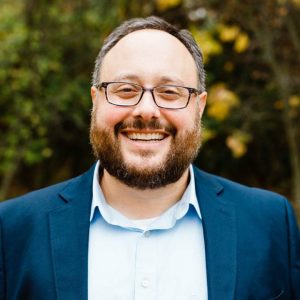
“Before then, we didn’t have a formal clinic to assess and educate on preventative treatment for psychotic disorders,” said Dr. Nicholas Breitborde, Director of OSU’s EPICENTER. “I am forever indebted to the ADAMH board because this important clinical service would never have happened without the support of the ADAMH board.”
When the initial grants were awarded, there was no established standard of care for individuals at risk of developing psychosis. Since its launch, the CHR-P program has worked to build an entirely new treatment approach tailored to this population. Along the way, Dr. Breitborde and his team have gained valuable insights that continue to shape and strengthen the program’s care model.
“For example, while antipsychotic medications can be gamechangers for people with existing psychotic disorders, research highlights that benefits for people at risk for developing a psychotic disorder is less clear,” Dr. Breitborde explained.
“Another thing we’ve learned is how important therapy is for our CHR-P population. We thought it would be helpful, but I've still been surprised about how beneficial it’s been for many people. The specific psychotherapies offered by EPICENTER appear to be very potent in helping people experience remission of risk symptoms for psychosis and improvements in social, educational and occupational.”
About two-thirds of individuals at clinical high risk for psychosis who participated in the program’s step-based care had long-lasting positive improvements in symptoms and functioning during treatment.
The grant has also allowed Dr. Breitborde’s OSU team to offer trainings, bring in experts from all over the world and host learning opportunities for providers in Franklin County, educating others on topics related to psychosis risk and early psychosis care. Currently, his team provides a weekly EPICENTER speaker series that provide free virtual educational experiences for learners throughout Franklin County.
“Now there is this cadre of people who know how to recognize psychosis-related signs, which often are very hard to identify and oftentimes get mislabeled as other mental health concerns,” Dr. Breitborde said.
Collaboration has been essential to strengthening psychosis care for youth. Dr. Breitborde emphasized that one of the field’s greatest challenges is ensuring people know this type of treatment exists, which makes the partnerships focused on outreach and screening critical to reaching individuals early in the course of illness.
While the CHR-P program is still defining best practices for individuals at high risk for psychosis, the discoveries and progress made so far have positioned OSU’s program at the forefront of this emerging field.
“It’s wonderful to see our program here in Franklin County be so successful because of the work ADAMH and the team at OSU did together to make this happen,” Dr. Breitborde said. “It’s beyond what I had hoped for.”
If you suspect you or someone you care about is experiencing any level of psychosis, call 614-685-6052 to speak with someone, or visit OSU’s psychosis intervention programs page to learn more.