

For many young people, turning 18 marks the start of independence. But for some youth, that milestone comes with a different reality: aging out of systems of care, navigating trauma and facing the uncertainty of where they will sleep each night.
At Huckleberry House, the Transitional Living Program (TLP) is designed to meet young people at that critical turning point. Serving youth ages 17 to 24, the program, which is funded in part by the Alcohol, Drug and Mental Health Board of Franklin County (ADAMH), provides more than just housing. It offers support and a pathway toward independence for young people experiencing homelessness, living in unsafe housing or fleeing domestic violence.
“One of the most common challenges we see when youth first enter this program is adjusting to stability in general,” said Amanda Leclerc, Director of Residential Programs at Huckleberry House. “When they’re able to stop worrying about what they’re going to eat and where they’re going to sleep, we can focus on helping them adjust back into life.”
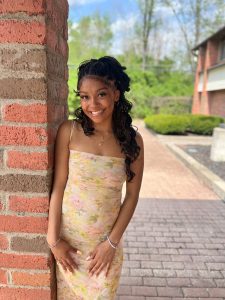
For Aaliyah, a program graduate, securing a spot in Huckleberry House’s TLP became the most stable situation she had experienced in more than six months.
Aaliyah was kicked out of her home at 16 and began moving between friends’ houses. Eventually, she found herself sleeping in an abandoned car in a friend’s backyard. Over time, the challenges became overwhelming, and she ultimately dropped out of high school.
In the months that followed, Aaliyah experienced sexual violence and became pregnant. As her options narrowed, a family member told her about Huckleberry House’s Teen Crisis Program and Shelter.
“I was really struggling at that point,” Aaliyah said. “I had no will to live and no confidence when I came to the shelter. But when shelter staff told me about TLP and believed I would do well in the program, that boosted my morale.”
During her time living in the crisis shelter, Aaliyah made the difficult decision not to continue the pregnancy, which she described as another traumatic experience. After turning 17, a spot opened in the TLP, where she went on to stay for 18 months before graduating in April 2026.
A Trauma-Informed, Team-Based Approach to Support
Young people in the program receive counseling services, mental health support and independent living skill instruction as well as help with budgeting, accessing benefits and working on educational and employment goals.
“It takes a team of people and a lot of coordination to make sure we’re thinking about their individual journeys from all the different perspectives,” Amanda said. “Some of these youths have been on the land or places not meant for habitation for a while, so there’s a lot to work through. And our case managers, while they’re not providing the actual therapy, approach everything they do through a trauma-informed lens.”
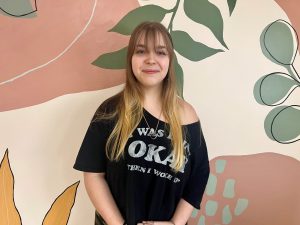
For Lilee, a current program participant, her case manager has been a steady source of support since she moved into TLP in September 2025.
“With my case manager’s help, I’ve been able to secure important documents like my ID and social security card,” Lilee said. “He even takes me to the food pantry from time to time, or if I ever need to be somewhere or at something important, he finds a way to get me there.”
In Lilee’s and Aaliyah’s experience, staff at Huckleberry House are consistently willing to help program participants, not only with essential needs like documentation and scheduling medical appointments, but also with everyday necessities such as laundry detergent or clothing for harsh weather.
With support from ADAMH, Huckleberry House can provide these items, helping ease daily challenges so participants can focus on their goals and well-being.
“(ADAMH funding) pays for a portion of the housing itself, but it also assists with a lot of things other funders don’t pay for, so we couldn’t do this work without ADAMH,” Amanda said.
Building Skills, Confidence and a Path Forward
Through each lesson, guidance and opportunity to build skills, youth are gaining the tools and confidence to move toward lasting independence and continued personal growth.
“Before this, I didn’t have anything, but now, I feel more confident to speak out and to even express myself,” Aaliyah, now 20, shared. “The staff here took the time to get to know me, listen to me and just see me as a human.”
Aaliyah’s growth speaks to the intentional, relationship-centered approach staff bring to their work. It’s a commitment Amanda says is rooted in purpose.
“Sometimes the road for young people is bumpy, especially when you see the systemic barriers and different things that youth are facing. But if not us then who?” Amanda said. “This is what we do. We know the ‘why’ and we show up.”
As Aaliyah looks ahead to what’s next, she reflected on her experience in Huckleberry House’s TLP, expressing gratitude for the care she received and hope that other young people like her have access to the same support.
“I want people to understand that, even though we’re just kids, we’re strong and just need others to help and guide us,” she said. “I’m now lead camp counselor at the YMCA and making impacts on people I wouldn’t have been able to otherwise if I wasn’t helped. Our community could have so many bright young people with different perspectives if they’re given a chance to thrive.”
If you or a young person you know is experiencing housing instability or homelessness, learn more about Huckleberry House resources by calling 614-294-8097.