

Depression is an illness that can cause severe symptoms that affect how a person feels, thinks and handles daily activities. It can affect anyone, regardless of age, race, income, culture or education, according to the National Institute of Mental Health. With Alcohol, Drug and Mental Health Board of Franklin County’s support, providers such as OhioGuidestone offer services and treatment options to help individuals and families navigate depression and work toward improved mental health and well-being.
In observance of Depression Awareness Month this October, ADAMH is highlighting the behavioral health services available to Franklin County residents through its network of community providers.
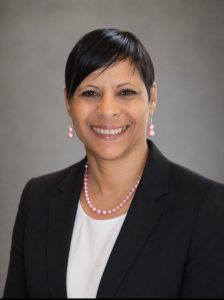
ADAMH spoke with Cheryl Hines, Clinical Supervisor at OhioGuidestone, about common signs of depression, when to seek professional help and how individuals and families can access care.
Depression can look different from person to person. How might symptoms present differently across age groups or individuals?
Cheryl: Adolescents may show increased irritability or changes in their behavior or school performance. Adults may continue going about their daily lives as usual while struggling emotionally in silence. In older adults, symptoms may show up as fatigue or a loss of interest in activities they once enjoyed. There can also be more hesitation to talk about depression among older generations because of the stigma that still surrounds mental health.
How can someone tell the difference between temporary feelings of sadness or anxiety and symptoms that may indicate clinical depression?
Cheryl: Sadness is a natural emotional response to certain experiences, while depression involves persistent symptoms that affect how a person thinks, feels and functions in their daily life. When we begin to notice changes in someone’s usual routines, behavior or ability to manage everyday activities, it may be a sign that they’re experiencing more than temporary sadness and could benefit from additional support.
What are some common misconceptions about depression that you encounter in your work, and what do you wish more people understood?
Cheryl: One of the biggest misconceptions about depression is that it’s always visible. Someone may appear to have everything together while struggling emotionally behind the scenes. Many people feel they have to keep going because they have responsibilities that still need to be met, so they learn to mask what they’re experiencing. Over time, depression can become part of their normal routine, and they may not even recognize that they’re struggling.
If someone suspects they may be experiencing depression, what would you encourage them to do first?
Cheryl: I would encourage them to reach out for help. There’s still a lot of stigma surrounding mental health, and people may worry that seeking treatment makes them seem weak. But asking for support isn’t a sign of weakness; it’s recognizing that our emotional well-being deserves the same care and attention as our physical health. If you’re not sure where to turn, you can call or text the 988 Suicide & Crisis Lifeline or visit the Franklin County Crisis Care Center at 465 Harmon Ave. for support.
What depression-related services or programs does OhioGuidestone offer in Franklin County?
Cheryl: OhioGuidestone offers individual, family, couples and group therapy for youths and adults. We also provide services focused on prenatal and maternal depression, including recognizing and addressing symptoms during pregnancy and postpartum. Our approach is person-centered, with treatment plans tailored to each individual’s needs. We meet clients where they are and offer flexible ways to access care, including virtual assessments and ongoing care. We recognize that depression can sometimes make it difficult to leave home or attend an in-person appointment, so we want to make getting support as accessible as possible.
What would you want someone experiencing depression to know about the possibility of feeling better and finding support?
Cheryl: There is hope, and recovery is possible. You don’t have to go through it alone. Recovery from depression doesn’t necessarily mean never having another difficult day. It can mean recognizing those days sooner and having the tools to navigate them. Needing support doesn’t take away from the progress you’ve already made. At OhioGuidestone, we want to partner with you, not tell you what to do. Our goal is to provide a safe, positive and nonjudgmental space where you can heal and find the support that works for you.
For support with depression, explore OhioGuidestone’s services at ohioguidestone.org/locations/central-ohio/franklin or call 888.522.9174. Visit OhioGuidestone’s ReadyCare Walk-in Clinic Tuesday-Thursday, 10 a.m. – noon at 515 E. Main Street, Suite 3B, Columbus, OH 43215.
If you or someone you love is struggling or in crisis, call, text or chat 988, or go to the Franklin County Crisis Care Center at 465 Harmon Ave.