

For family members and primary caregivers, supporting a loved one through life with a serious and persistent mental illness (SPMI) can become an around-the-clock responsibility. It can leave little time for caregivers to step away, recharge or focus on their own well-being.
Through Concord Counseling Services’ respite program, supported in part by the Alcohol, Drug and Mental Health Board of Franklin County (ADAMH), caregivers can take that time away from their responsibilities while their loved ones receive care in a safe and supportive setting. The program serves family members and primary caregivers who live with or provide ongoing care to individuals diagnosed with SPMI.
“Concord’s respite program can help eliminate some of the emotional and mental load of being a primary caregiver,” said Angela Javorina, Director of Clinical Operations, Community Based Services at Concord. “We want to support that whenever possible, so caregivers aren't burning out, while also giving their loved ones with SPMI, who have the tendency to become isolated, a chance to get out and experience the world.”
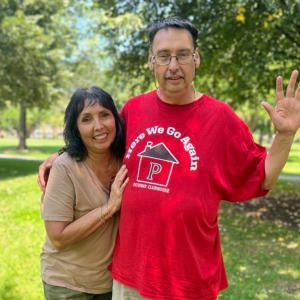
Sophia Escobio and her brother Robert have been longtime clients of Concord’s respite program. After becoming Robert’s primary caretaker in 2011, Sophia soon realized she needed additional support.
“I knew Robert needed structure and activity, so in the beginning I would take him everywhere with me but working full time and then also trying to tend to other priorities, it became a lot to juggle,” Sophia said. “And now that I’m getting older, the responsibility can be more challenging, so any kind of support respite provides is a gamechanger.”
Care Guided By Clients
At Concord, respite care is shaped around the individual with SPMI, with clients helping determine how they want to spend their time. For one to 12 hours a month, a trained Concord staff member joins clients in activities they enjoy, such as seeing a movie or play, exploring a farmers’ market, going out to dinner or visiting the zoo.
“These are clinicians who build relationships with clients that make the time together feel comfortable and natural,” Angela said. “We’ve heard from respite participants that they value having someone to spend quality time with, which is really important.”
As a care provider, Alex Artman said he and his colleagues incorporate skill-building into outings with clients as well, helping clients build greater independence.
“I approach my interactions with clients with a lot of empathy, knowing they’ve all been through a lot,” Alex said. “I find that once clients trust you, they’re able to open up about things that we as respite providers can support them with, which can help them grow and become more confident.”
When Rob was first introduced to Concord’s respite staff, he was nervous, but the team quickly created an environment where he felt comfortable and at ease. Since then, he’s gone putt-putting, enjoyed dinners out and recently visited a comic bookstore. Today, Rob has a regular schedule with the respite team that provides balance for both him and his sister.
“This service allows me to attend appointments, run errands and, at times, just rest, while at the same time, gets Rob out in the community and meeting new people,” Sophia said. “Those 12 hours a month really do make a difference for us, so we are very thankful for this program.”